How Long Does Ceramic Coating Take to Cure After Installation?
When we hand your keys back at Gloss Pro Auto Spa, the work isn't quite finished. The days that follow installation matter just as much as the application itself. We want every client who drives away to understand ceramic coating cure time, because that curing window is what allows the coating to bond correctly with your paint and reach the protective strength you paid for. In this guide, we walk you through what happens after installation, how long the wait usually takes, and how to care for your vehicle while it sets.
Curing vs. Drying: Why the Difference Matters
Before we talk timelines, let's clear up a point of confusion we hear often. Drying and curing are not the same thing. A coating can feel dry to the touch within a few hours, yet still be hardening at a deeper level long after that. When we mention cure time, we're referring to the full chemical process that hardens the product and locks it to your paint, not just the moment the surface stops feeling wet. Understanding this difference helps you avoid mistakes that can undo careful work during those first sensitive days.
The Typical Ceramic Coating Cure Timeline
Every vehicle follows a general roadmap. While exact numbers shift with the product and conditions, there are three main stages to know so there are no surprises.
Initial Touch-Dry Stage (First 1 to 24 Hours)
In the first several hours, the coating flashes and sets on the surface. This is when we often keep your vehicle in our controlled space so nothing interferes with the finish. During this stage, the coating is at its most delicate, and even light contact can leave marks that are difficult to correct.
Initial Cure (24 to 48 Hours)
Over the next day or two, the coating firms up considerably, but it hasn't reached full strength. This is the window to be most careful. Keeping the vehicle away from water, dust, and other contaminants during these hours protects the bond.
Full Cure (Around 2 to 3 Weeks)
Reaching maximum hardness and full water repellency takes roughly two to three weeks. Once your coating completes this stage, it delivers the slick surface and lasting protection you were promised. Following the timeline through this period is the surest way to protect your investment.
Factors That Affect Cure Time
Cure time is never one-size-fits-all, and it helps to know why. Several conditions influence how quickly and how completely a coating sets, which is why we rely on a controlled environment rather than leaving results to chance.
Humidity
Northeast Florida is known for its humidity, and moisture in the air directly affects how a coating cures. High humidity can lengthen or complicate the process, which is why we manage conditions carefully during and after application.
Temperature
Coatings prefer a comfortable temperature range. When it's too cold or too hot, the curing process can slow down or bond unevenly. We account for our local climate to keep the process consistent.
Product Type and Number of Layers
Not every coating cures at the same pace. Different formulations and multi-layer applications set at different rates, and we select the right product and layering approach for your vehicle so the cure develops properly.
Curing Environment
A climate-controlled shop, along with the curing tools we use, produces far more consistent results than curing outdoors. This controlled setting is a big part of why professional installation gives you a more reliable outcome.
What to Avoid While Your Coating Cures
Once your ceramic coating installation is complete and you leave, a little care goes a long way. The first days and weeks are when the coating is most vulnerable to lasting defects, and the goal is simple: keep contaminants away from a surface that is still hardening.
Avoid washing the vehicle for roughly the first week, and keep it away from rain and standing water during the first 24 to 48 hours. Parking under trees invites sap, pollen, and bird droppings that can bond into the finish, so choose covered or open parking instead. Automatic washes, harsh chemicals, sprinklers, construction dust, and heavy road spray are all worth avoiding for now, and skip layering other products or waxes on top while the coating settles. Anything that lands on an uncured surface can lock in and create imperfections that are hard to remove later.
How to Tell When Your Coating Has Fully Cured
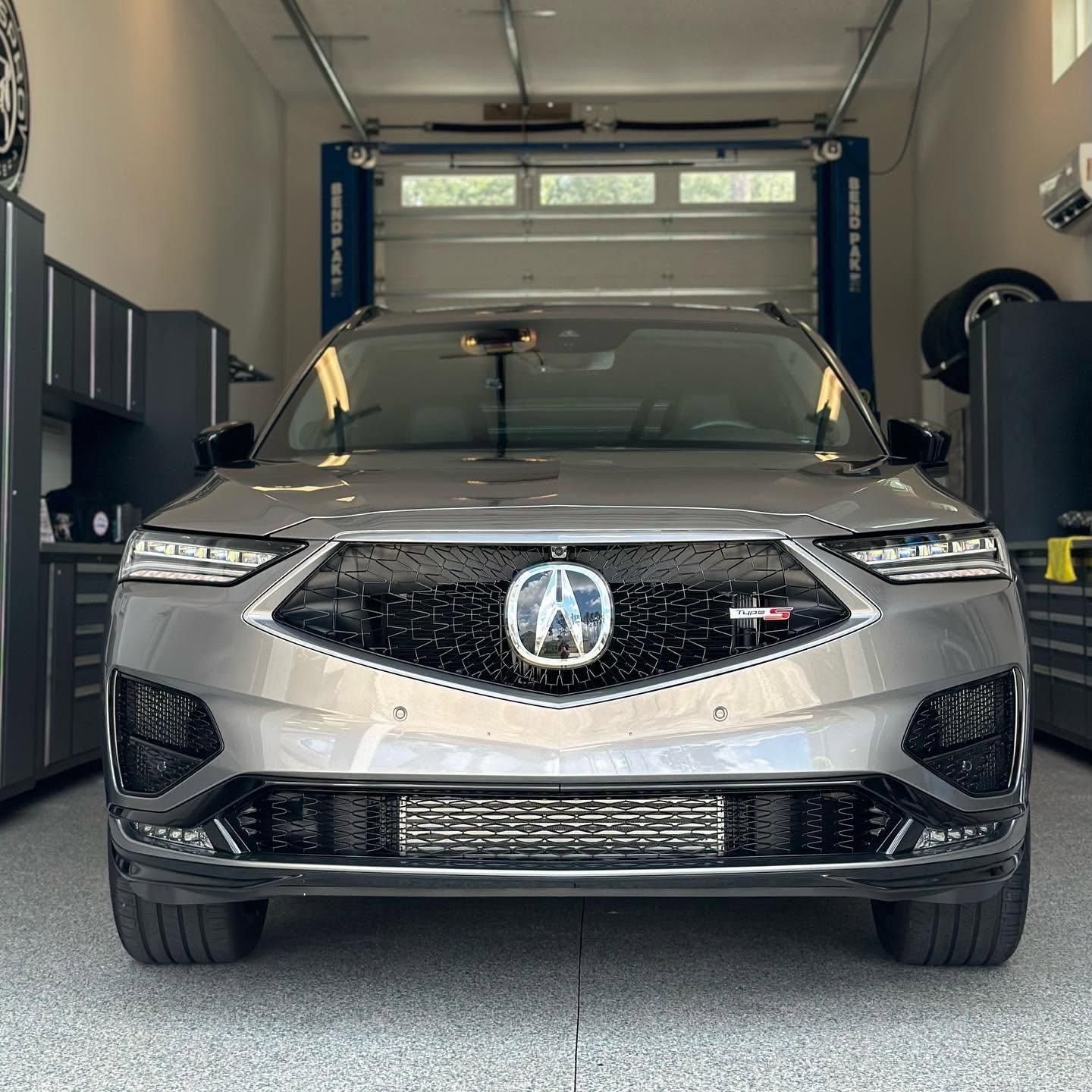
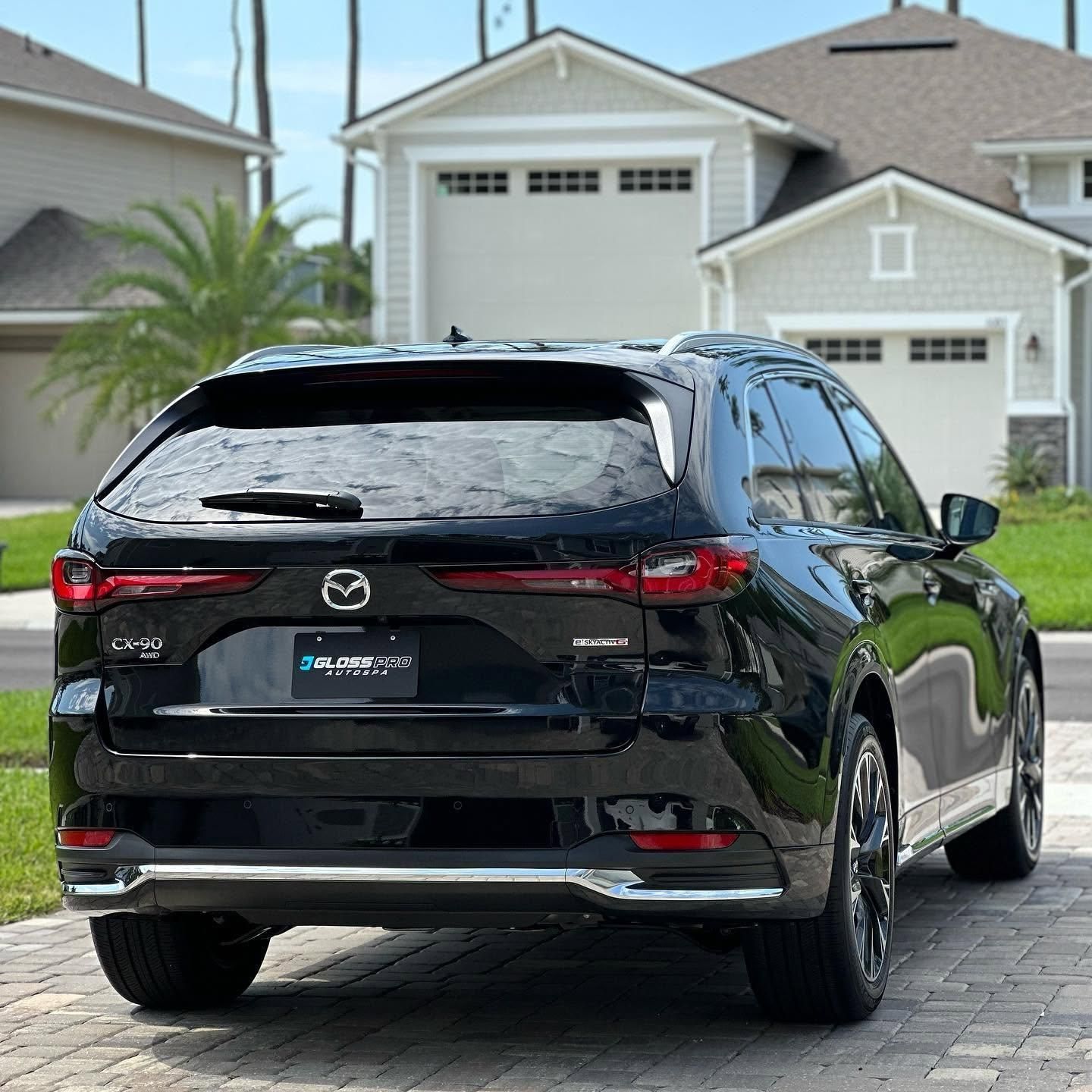
Clients often ask how they'll know the process is complete. The good news is that a fully cured coating shows clear signs you can see for yourself. Strong water beading and sheeting, a slick surface, and a consistent, deep gloss all point to a finish that has reached its full potential. Still, the safest approach is to follow the specific timeline we give you, since every vehicle behaves a little differently.
Aftercare Tips to Protect a Freshly Cured Coating
Once the curing window closes, good habits keep your results looking their best. Wait until we clear you for the first wash, use pH-neutral products, and choose gentle touchless or two-bucket methods to help preserve the surface. Drying with clean microfiber and scheduling periodic maintenance keeps the protection performing season after season. When you want a hand with upkeep, our detailing team is ready to help.
Why Professional Installation Makes Cure Time More Predictable
A smooth, predictable cure comes down to how and where the coating is applied. Controlled conditions, correct product selection, and proper layering work together to produce dependable results. As an IDA Certified team with more than twenty years of experience and certified coating installation training, Gloss Pro Auto Spa takes the guesswork out of the process for drivers across St. Johns, Nocatee, St. Augustine, Ponte Vedra, and Jacksonville. When curing is handled right from the start, your protection lasts the way it should.
Trust Your Coating to a Certified Team
Cure time is the make-or-break window that decides how well your protection performs and how long it lasts. When you follow the timeline and aftercare steps we share, that patience pays off in lasting shine and defense. If you're ready for expert coating handled the right way, we'd love to help. Reach out to us at Gloss Pro Auto Spa to get started, and
book your appointment today.
Frequently Asked Questions
Can I drive my car right after ceramic coating installation?
In most cases, you can drive normally once we release your vehicle, as long as you follow the care guidance we share.
How long before I can wash my car after ceramic coating?
We generally ask you to wait about a week before the first wash so the coating can set properly.
Does ceramic coating cure faster in heat?
Warmth within a reasonable range can help, but extreme heat can cause problems, which is why we manage the environment for you.
What happens if it rains before the coating cures?
Early rain can introduce spotting or defects, so keep the vehicle dry during that first sensitive window.
Gloss Pro Auto Spa Blog